Posted on 9/29/2026
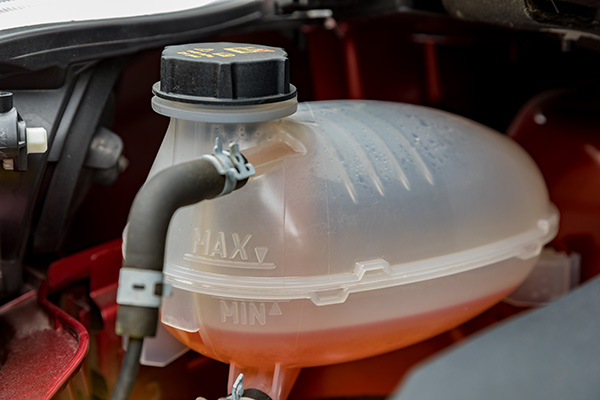
The coolant reservoir needs another small top-off, but the hoses look dry, and nothing is dripping beneath the radiator. Then a faint sweet smell returns after you park the car. With plastic covers and an underbody panel hiding much of the engine, a quick look from above reveals little. A concealed water pump is one possibility, but nearby housings, pipes, and seals deserve the same attention. The useful evidence is where fresh coolant first appears, not where it finally drips. These five findings can justify looking behind the covers instead of continuing to refill the reservoir. 1. The Cold Coolant Level Keeps Dropping Compare the reservoir level under the same conditions, with the engine fully cold and the vehicle parked level. Coolant expands when hot, so comparing a warm reading with yesterday's cold reading can suggest a loss that isn't there. Marking or photographing the cold level makes small, repeated changes easier to spot. A consistent drop means ... read more
Posted on 8/28/2026
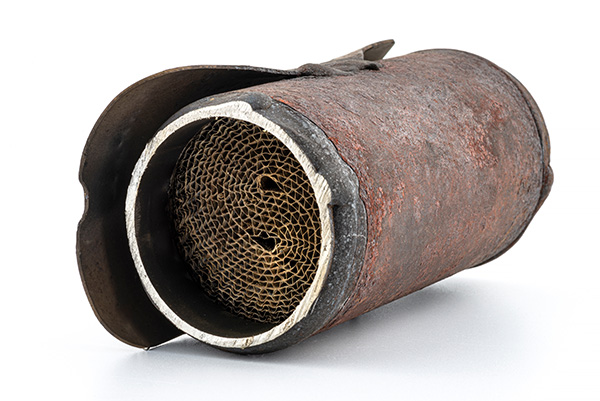
A restricted catalytic converter does not always make the car feel terrible right away. You may notice that it still starts fine, idles reasonably well, and handles light driving without much trouble. Then you ask for more power, and the engine suddenly feels like it is working against something. That change under load is an important clue. The converter sits in the exhaust stream, so when its internal passages begin to plug or collapse, exhaust gases have a harder time leaving the engine. The restriction can build gradually enough that the driver gets used to the loss of performance. Power Drops When You Accelerate Hard One of the more common complaints we hear is that the car feels acceptable around town but weak when merging, climbing a hill, or accelerating at higher RPM. The engine sounds like it is trying, yet the vehicle does not pick up speed the way it should. That happens because an engine needs to breathe in and breathe out. If exhaust cannot leave quick ... read more
Posted on 7/31/2026
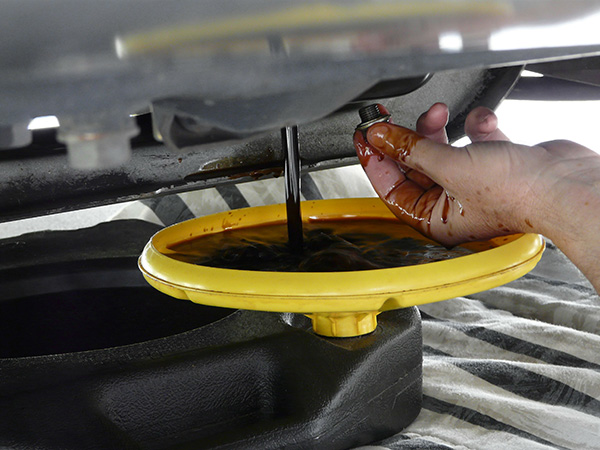
Making the switch to a hybrid vehicle is a fantastic milestone. You get to enjoy fewer trips to the gas pump, watch your fuel economy numbers climb to impressive heights, and take pride in driving something a bit cleaner. It feels like stepping straight into the future of driving. However, moving from a traditional gas-powered car to a hybrid can bring up a lot of maintenance questions, especially for first-time owners. At our shop, we meet a lot of drivers who are slightly misled by the marketing of these high-tech vehicles. They know the car relies heavily on an electric battery, which often leads to the million-dollar question: Do hybrid cars actually need oil changes, or am I totally done with that chore? To give you the short answer right out of the gate: yes, your hybrid absolutely still needs regular oil changes. While your vehicle is highly advanced, it is not a fully electric car. Today, we want to walk you through the mechanical reality of how your hybrid operates, why fres ... read more
Posted on 6/26/2026
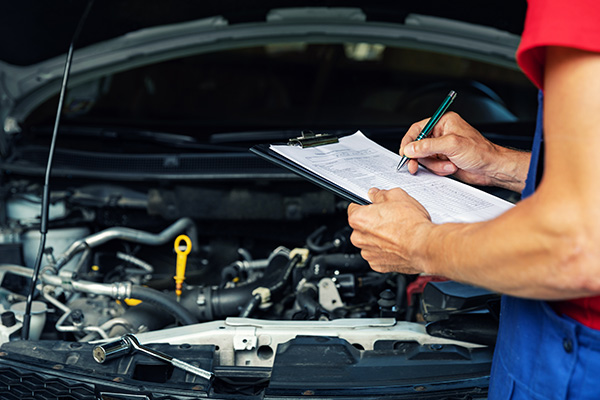
We have all seen it while driving down the interstate. A car parked on the narrow gravel shoulder, the hood propped open, a cloud of steam rising into the air, and a completely stressed-out driver waiting on the phone for a tow truck to arrive. It is a miserable situation that ruins your schedule, drains your wallet, and puts your safety at risk on a fast-moving highway. When a vehicle breaks down on the road, it rarely happens completely out of the blue. Engines and electrical systems are remarkably communicative machines. Before a part fails entirely, it almost always leaves behind a trail of physical breadcrumbs that you can spot if you know where to look. At our auto repair shop, we want to help you stay ahead of the tow truck. You do not need to be a professional mechanic or own an expensive toolbox to protect yourself. By spending just ten minutes performing these five vital checks today, you can catch major problems before they leave you stranded. 1. Test Your Battery ... read more
Posted on 5/29/2026
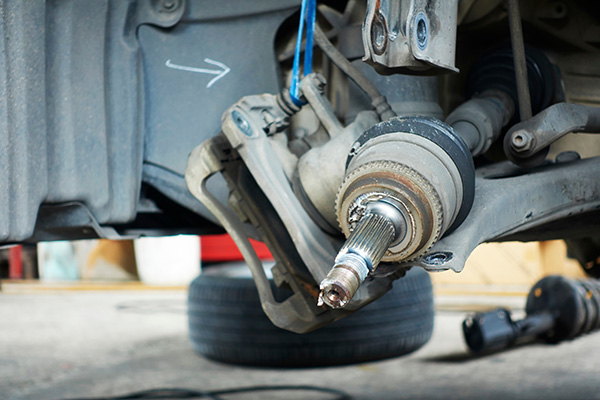
A bad CV axle does not always announce itself with one huge failure. More often, it starts with a clicking sound in a parking lot, a shake during acceleration, or grease splattered where it should not be. That little clue is easy to miss. CV axles and CV joints work every time the car moves, especially when you turn and accelerate at the same time. Once they start wearing, the symptoms usually follow a pattern. Catching that pattern early can help prevent a small axle concern from turning into a bigger drivability problem. What The CV Axle And CV Joint Do The CV axle transfers power from the transmission or differential to the wheels. The CV joints at each end allow that axle to keep spinning while the suspension moves and the wheels turn. That flexibility is the important part. Without the CV joints, the axle would bind every time you turned into a driveway or drove over a dip in the road. Inside each joint are metal parts packed with heavy grease. A rubber boot ... read more
Posted on 4/30/2026
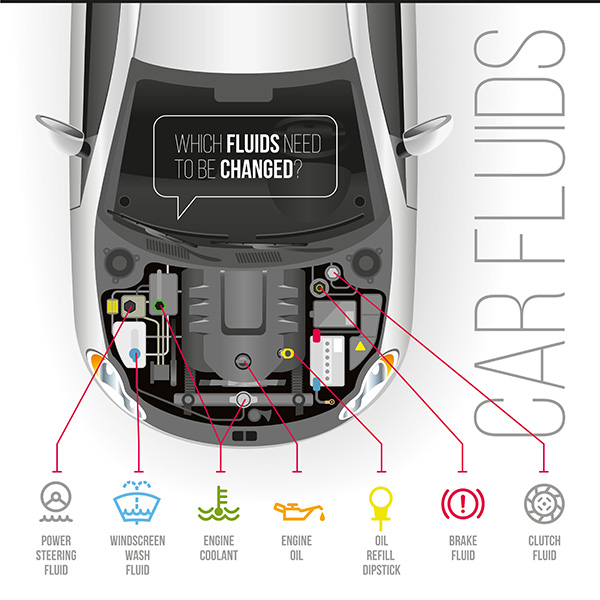
Seeing a puddle under your car can be concerning, especially if you are not sure what it is or where it is coming from. Some leaks are harmless, while others indicate problems that need immediate attention. The key is knowing the difference before it turns into a bigger issue. Fluids are essential to your vehicle's operation. When one starts leaking, it is usually a sign that a seal, hose, or component is no longer holding the way it should. Water Puddles Are Often Normal Not every puddle is a problem. If you notice clear water under your car, especially after running the A/C, it is usually just condensation draining from the system. This is completely normal and nothing to worry about. It tends to appear near the passenger side and does not have any strong smell or color. Engine Oil Leaks Can Show Up as Dark SpotsOil leaks are among the most common ... read more
Posted on 3/27/2026
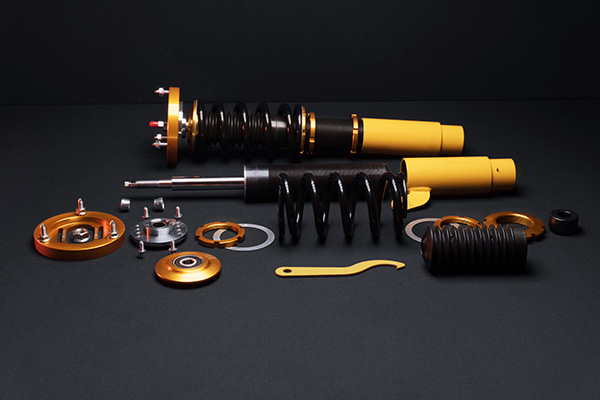
A squeak over bumps has a way of sounding minor right up until it becomes a daily occurrence. You hear it pulling into a driveway, rolling over a speed bump, or crossing a rough patch of road at low speed. The car still drives well enough, so it is easy to shrug it off for a while. Most of the time, though, that noise means a suspension part is drying out, wearing down, or starting to move more than it should. Why Bumps Bring The Noise Out A bump forces the suspension to compress and rebound in a way normal flat-road driving does not. That movement loads the bushings, mounts, links, and spring components all at once. If one of those parts has lost its cushioning or started rubbing dry, the squeak shows up right there. That is why this kind of sound is useful. It tells you the problem is tied to suspension travel, not engine speed, not braking, and not tire rotation. The car is basically narrowing the search for you. Sway Bar Bushings Are Frequent Trouble S ... read more
Posted on 2/27/2026

Shaking during acceleration indicates that something is struggling under load. The tricky part is that the same shake can come from tires, axles, engine performance, or even a mount that is letting things move around more than they should. It might feel like a vibration in the seat, a shimmy in the steering wheel, or a buzz that shows up at one specific speed range. The faster you connect the shake to a pattern, the faster you can get to the real fix. How Acceleration Shakes Usually Show Up If the shake is strongest only when you press the gas, that points toward parts that react to torque. CV axles, engine mounts, and drivetrain components take the brunt of that load, so they are common culprits. If the shake starts mild and builds as speed increases, that can overlap with tire and wheel issues too. It also helps to notice whether the shake changes when you let off the throttle. If it smooths out quickly once you coast, that is a different clue than a vibration th ... read more
Posted on 1/30/2026
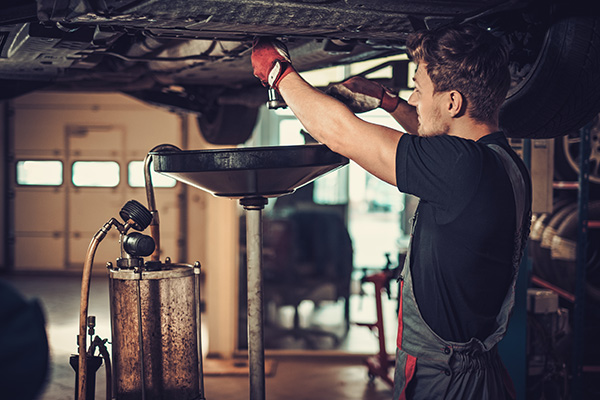
Oil changes and tire rotations are two of the most common services drivers schedule. A lot of people treat them as separate errands, mainly because they think of them as separate systems. One is under the hood, the other is at the corners of the car. Pairing them is one of the easiest ways to make maintenance more consistent and more cost-smart. It also helps you catch problems earlier, because both services create a natural checkpoint for how the vehicle is wearing over time. Why These Two Services Fit Together So Well Both oil and tires wear gradually. Neither one usually fails in a dramatic way on day one. Instead, the effects show up little by little. Oil breaks down with heat cycles and contamination. Tire wear is based on alignment, suspension condition, and driving habits. When you combine an oil change with a rotation, you create a regular schedule that keeps both systems from drifting too far. You also reduce the chance of skipping one because you forgot t ... read more