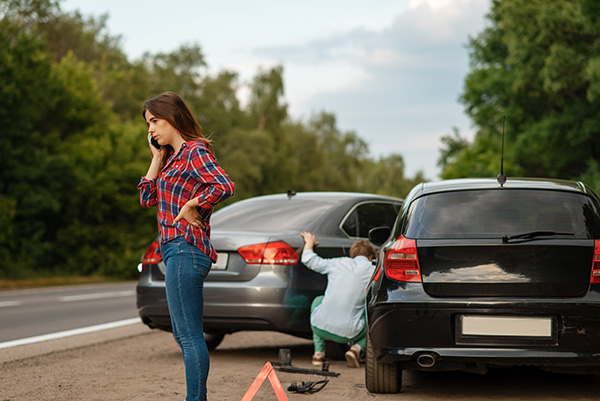
A warning light, sudden vibration, or loss of power changes the next decision: where should you stop? The safest place isn't always the nearest patch of pavement.
Traffic speed, sight distance, shoulder width, and the seriousness of the vehicle problem all affect the choice. A parking area separated from traffic is preferable when the car still operates safely. A fire concern or major loss of function demands a more immediate response.
At DRIVE AutoCare, we help drivers review the vehicle problem after the stopping situation is under control.
Protecting people comes first.
Assess the Vehicle Problem Without Losing the Road
Keep watching traffic while recognizing what changed. A minor new sound differs from a rapidly deflating tire, a soft brake pedal, or an overheating engine. Signal and begin a controlled move toward a stopping place when conditions permit. Don't make a sudden lane change just because the warning surprised you. The vehicles around you still need time to understand your path.
Certain warnings require stopping the engine promptly, including inadequate oil pressure or overheating as described in the owner's manual. Don't continue searching miles ahead for a preferred parking lot while the engine is at risk. Choose the safest reachable location and arrange help.
Look for a Place Separated From Moving Traffic
A parking lot, designated pull-off, or other clearly separated area usually offers more space than a narrow shoulder. Consider the entrance as well as the place itself.
The vehicle must still be capable of reaching it safely. If steering, braking, or tire condition has deteriorated, further driving adds danger. Explain that loss of function when calling for assistance.
Where a shoulder is the only available option, move as far from traffic as the conditions and vehicle allow. Keep the car visible and avoid creating an obstruction around a blind bend or beyond a hill crest.
In the Solana Beach area, roads can quickly shift from local streets to faster traffic. Choose according to the location you're in rather than following a single roadside rule for every trip.
Stopping Near Curves, Hills, and Narrow Shoulders
Drivers approaching a stopped car need time to see it and respond. Limited sight distance reduces that time. A narrow shoulder also places passengers and recovery work closer to passing vehicles. Walking beside the car or standing behind it exposes you to another vehicle's path.
If you can't reach a safer area, tell the dispatcher exactly where the car is stopped and how much separation it has from traffic. A travel-lane obstruction or immediate collision threat should be reported to emergency services. Their directions help manage the road situation while vehicle assistance is arranged.
Don't try to cross lanes on foot to find a better place to wait.
Should You Stay Inside the Car or Get Out?
The answer changes with the danger around the vehicle. If the car is safely separated from traffic and there is no fire or other immediate threat, remaining inside with seat belts fastened often keeps people away from passing vehicles.
Smoke, flames, or heavy fuel leakage change the priority. Exit when safe, take passengers with you, and move away from the vehicle and traffic. Call emergency services for fire or immediate danger.
If the car remains in a position where a collision is likely, follow emergency guidance and leave only when you can reach a safer, separated place without entering traffic. When exiting, use the side away from traffic if it is clear.
Avoid standing directly in front of or behind the vehicle. A collision moves the stopped car and nearby debris.
Information to Give Roadside Assistance
Have these details ready:
- Your road name and direction of travel
- The nearest exit, intersection, or mile marker
- Whether the vehicle is on a shoulder or in a lane
- How many passengers are with you
- Any smoke, fuel smell, or fire concern
- The vehicle's make, model, and drivetrain
- Whether it rolls, steers, and brakes normally
Those details help the provider plan both recovery equipment and a safe approach. If you're uncertain about the exact location, use a passenger or a safe parked phone check to confirm it.
Why the Shoulder Is a Poor Place for Most Repairs
A flat tire looks like a job you recognize, but the roadside location sometimes makes it unsafe. Firm ground, room for equipment, and distance from traffic are all needed before a repair attempt.
A narrow shoulder beside fast-moving vehicles leaves little margin. A jack or tire tool doesn't change that exposure. Arrange recovery when the location or vehicle instructions make the work unsafe.
The same principle applies to opening the hood, checking under the car, or walking around a damaged wheel. The traffic risk should be assessed before focusing on the mechanical task.
Keep warning equipment use within the location's safety limits. Fuel leakage or fire risk also changes which items should be used.
Avoid Driving Home Through a Major Warning
Home may feel like a convenient place to stop, but distance doesn't determine how serious a fault is. An engine with inadequate oil pressure or a vehicle losing brake pressure needs a stop before another mile adds damage or danger.
A brief restart also gives little information about whether the underlying problem is resolved. If a warning returns or the car operates abnormally, shut down safely and explain the condition to the assistance provider.
Bring the event history to the repair appointment. Which warning came first, how the car felt, and whether it was driven afterward all help us plan the checks.
Prepare a Stopping Plan Before Trouble Starts
Keep roadside contacts and vehicle instructions accessible. Know whether the car has a spare, a repair kit, or manufacturer restrictions for towing.
Charge the phone before a long trip and allow for delays. Knowing your emergency equipment helps, but roadside conditions still determine what is safe to do.
Regular maintenance reduces preventable interruptions. It also gives you a clearer idea of the car's condition before travel.
Vehicle Inspection and Auto Repair at DRIVE AutoCare
DRIVE AutoCare serves drivers through 2 locations in Solana Beach, CA. We can inspect the fault behind a roadside stop and discuss the repair or maintenance your vehicle needs. Explain any warning, loss of function, or overheating event when arranging service.
Call DRIVE AutoCare to plan vehicle inspection after a breakdown and review safe transportation to the shop.